Iowa bill would expand raw milk, cottage food sales and farm-to-table meals
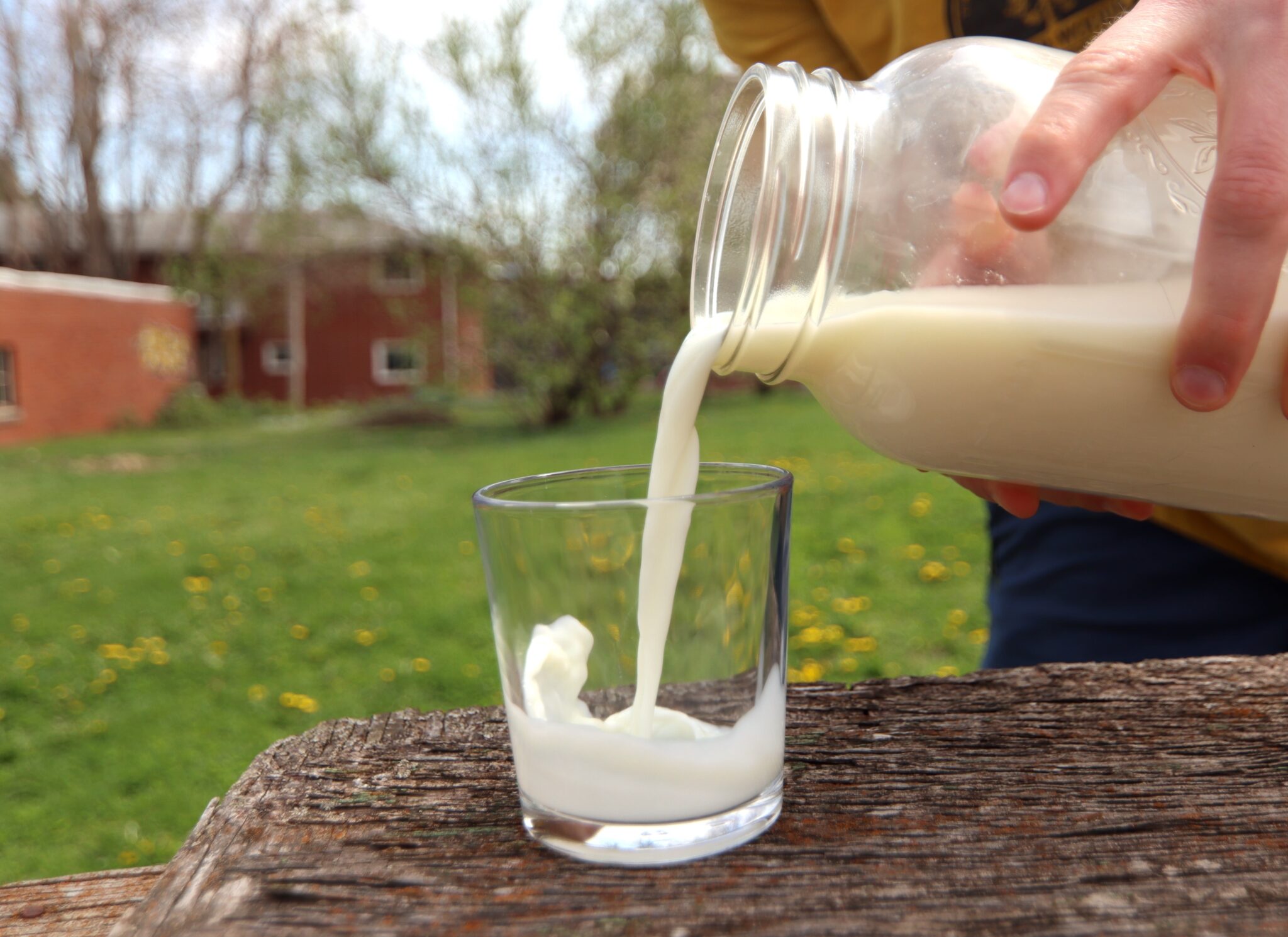
An Iowa House subcommittee advanced language that would expand the sale of raw milk, in addition to creating an annual license for farm-to-table events. (Photo by Cami Koons/Iowa Capital Dispatch)
by Cami Koons, Iowa Capital Dispatch
February 18, 2026
A bill that advanced from a House subcommittee Wednesday would create an event permit for farm-to-table meals, expand the permissible sales of raw milk and allow cottage foods to be sold in grocery stores.
House File 2444 was introduced by Rep. Chad Ingels, R-Randalia, who said it was a way to give “easier access” to farmers who want to hold farm-to-table events and to allow raw milk producers to sell their milk at farm stores.
The bill was opposed by the Iowa Environmental Health Association, a group representing health inspectors in the state. Jefferson Fink, speaking on behalf of the association, said it had “great concern with many issues” in the bill.
The first provision of the bill would create a farm-to-table event license to allow farms to sell meals, featuring farm-raised ingredients, for on-farm consumption. The annual license would cost $100 and allow for farms to hold “any number” of farm-to-table events.
Fink argued the state already has an event license for home food processors, and that the bill’s language to make this an annual license would mean departments would need to inspect all of the events under the license, the cost of which is not covered by the $100 annual fee.
“This bill provides work-arounds to our already existing food safety regulations,” Fink said.
He also argued the bill was “silent on” things like meat slaughtering and processing, restrooms and well water testing.
Rep. Shannon Latham, R-Sheffield, who chaired the subcommittee, said some of those concerns, like slaughtering and butchering, were not part of the intent of the bill, which she said was more about agritourism.
Haley Hook, speaking on behalf of the Iowa Department of Agriculture and Land Stewardship, said more producers are interested in hosting farm-to-table events as part of the Choose Iowa program and IDALS has been trying to “find a fix” with the Iowa Department of Inspections, Appeals, and Licensing for these events. IDALS was registered undecided on the bill.
Raw milk
The bill also allows for the sale of unpasteurized milk, known as raw milk, and raw milk products at home processing or food establishments, provided they are located at the raw milk farm.
Current law provides that raw milk can only be sold directly to customers from the raw milk farm. This would allow raw milk and associated raw milk products to be sold at a store on the farm as well.
Fink said the Iowa Environmental Health Association is generally opposed to any raw milk legislation, including the language in the bill.
The U.S. Centers for Disease Control and Prevention hold that consuming raw milk can lead to “serious health risks.” Unpasteurized milk can expose individuals to things like salmonella, brucella, E.coli, and listeria. CDC also urges against the consumption of raw milk that is contaminated with the H5N1 avian flu virus as a means of developing antibodies from the virus.
Cottage laws
The bill also provides that cottage foods can be sold at grocery stores, as long as the food items are properly labeled and separated from non-cottage food items.
Cottage foods, or foods that are prepared in a private residence and delivered directly to consumers, are exempt from state licensing, permitting, inspection, packaging, and labeling laws under current code.
Sara Throener, speaking on behalf of DIAL, said by allowing the cottage food to be sold in a store instead of directly to a customer, it “no longer is a cottage food.”
Throener said she emailed language to lawmakers to “get around that conflict.”
Latham said Iowa stores can purchase “whole processed goods” from other states and sell it, but cannot purchase these locally produced cottage foods to sell, which is what the bill intended to fix.
Latham said she would sign off on the bill, but that it would need an amendment before it reached the floor.
Rep. Elinor Levin, D-Iowa City, said she couldn’t sign off on the bill as is, but said she looked forward to seeing the amendment.
“I’m hugely supportive of anything that opens up new markets and allows our farmers to safely provide their on-farm experiences,” Levin said.
Iowa Capital Dispatch is part of States Newsroom, a nonprofit news network supported by grants and a coalition of donors as a 501c(3) public charity. Iowa Capital Dispatch maintains editorial independence. Contact Editor Kathie Obradovich for questions: info@iowacapitaldispatch.com.