MHP Prepares for Ebola
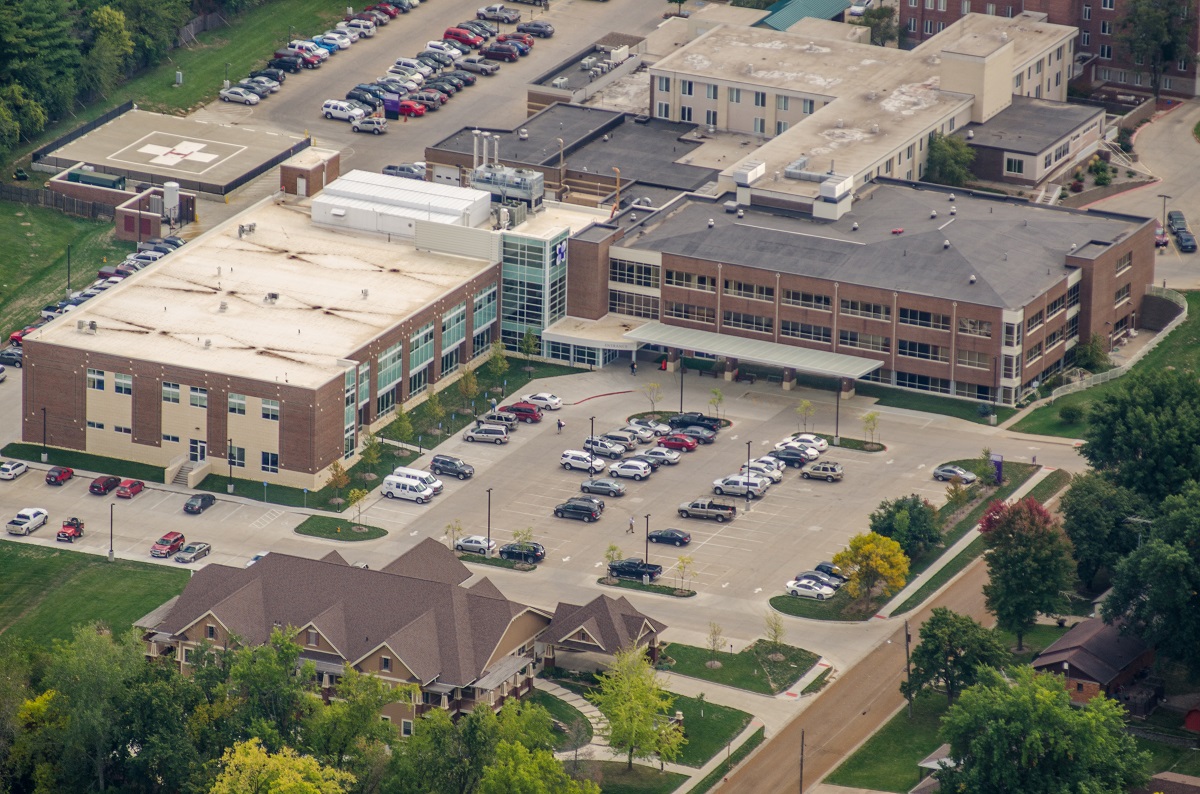
Mahaska Health Partnership
MAHASKA COUNTY – While the threat of the Ebola Virus presenting at Mahaska Health Partnership is currently very low, staff continue to prepare for the potential spread of the highly infectious disease.
According to MHP Public Health Coordinator Patty Malloy, the health system is taking a proactive approach to raise awareness and promote readiness. MHP is meeting regularly with infection specialists, emergency services leaders and other hospital leaders to receive the latest updates on Ebola management and treatment. Training continues to follow Centers for Disease and Control (CDC) guidelines, including procedures for patient isolation, properly utilizing personal protective equipment (PPE) and handling waste.
“The emergency of the Ebola Virus in the United States has heightened awareness of all hospitals and healthcare workers about the importance of following strict infection control procedures,” Malloy said. “We take the health and well-being of our community, patients, staff and visitors very seriously. We are closely monitoring the situation through daily updates from the Iowa Department of Public Health (IDPH) and plans are in place for anyone who may have traveled to affected countries who develops symptoms.”
According to the IDPH, hospitals across the state are working closely with local public health and healthcare professionals, state entities and the CDC in response and preparation to the West African Ebola situation. “There have been no cases of Ebola in Iowa, and the US Public Health system is taking extraordinary measures to keep this risk low,” Malloy stressed.
Malloy said it is important to remember the Ebola virus is not spread through the air, and it is only contagious if the infected person is having active symptoms. Ebola is spread through direct contact with bodily fluids of a person experiencing symptoms of the disease such as fever, severe headache, muscle pain, weakness, diarrhea, vomiting, abdominal (stomach) pain and unexplained hemorrhage (bleeding or bruising).
According to the CDC, symptoms may appear anywhere from 2 to 21 days after exposure to Ebola, but the average is 8 to 10 days. Malloy said patients coming to the hospital for treatment are asked to report if they have traveled to a country where Ebola outbreaks are occurring or if they have had contact with anyone who resides or has traveled from an outbreak area.
Malloy said that the risk of contracting any type of infectious disease can be minimized by following basic, everyday healthy practices and receiving recommended vaccinations. “Wash your hands regularly, stay at home when you are sick and always cover your mouth when you cough or sneeze,” Malloy stressed. “Unless you have a medical reason for not getting the flu vaccine, you should get one.”
If you have specific questions regarding Ebola, Malloy said you can visit the CDC or IDPH websites at www.cdc.gov or www.idph.state.ia.us. You can also call Mahaska County Public Health at 641-673-3257.
Mahaska Health Partnership, located in Oskaloosa, is a non-profit health system accredited by the Joint Commission. It is guided by its mission to provide exceptional customer service and health improvement, linking the science of medicine with the humanity of compassionate care. For more information about how Mahaska Health Partnership is making healthcare personal, visit www.mahaskahealth.org.