Mahaska County Emergency Management Coordinator Offers Fire Safety Tips Ahead of Winter and Christmas Season

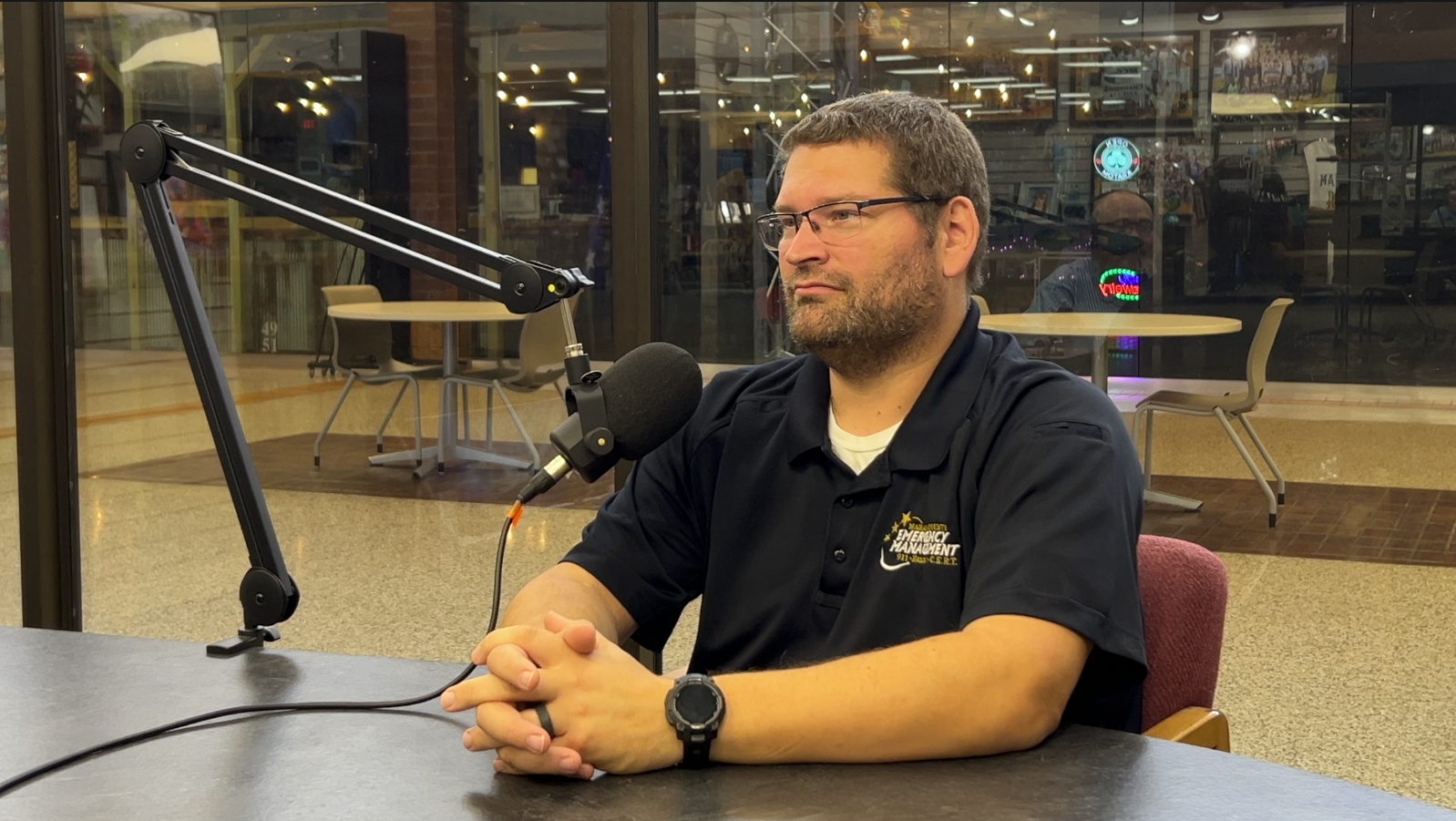
Mahaska County Emergency Management Coordinator Josh Stevens talks about ways to protect against home fires and operate holiday lights safely.
OSKALOOSA, Iowa – With colder weather and the Christmas season approaching, Mahaska County Emergency Management Coordinator Josh Stevens urges residents to pay extra attention to fire safety at home.
Space heaters, Christmas lights, overloaded outlets, and heating equipment can all be dangerous if not used correctly.
Stevens recently visited Oskaloosa News to talk about these issues and offer practical tips families can use to stay safe during the colder months.
The advice is supported by recommendations from the U.S. Fire Administration, the Centers for Disease Control and Prevention, and the Iowa State Fire Marshal’s Office.
Space Heaters Require Special Attention
Stevens is especially concerned about how people use portable space heaters.
Even though many new heaters have safety features that turn them off if they tip over, they can still be a fire risk.
Stevens also pointed out that overloaded electrical circuits are a problem, especially in older homes where the wiring might not handle several powerful appliances at once.
The U.S. Fire Administration recommends keeping space heaters at least three feet away from anything that can burn, including furniture, curtains, bedding, and clothing.
Always plug space heaters directly into a wall outlet, never into an extension cord or power strip.
Residents should also turn heaters off when leaving a room or going to bed.
Stevens warned that even a small accident, like a pet knocking over a heater, can quickly cause a house fire.
Check Smoke and Carbon Monoxide Alarms
Working smoke alarms are among the most important safety devices in any home.
The U.S. Fire Administration recommends installing smoke alarms inside every bedroom, outside sleeping areas, and on every level of a home, including the basement.
Test alarms monthly, and generally replace smoke detectors every ten years.
For alarms with replaceable batteries, residents should follow the manufacturer’s instructions and replace batteries when required. Sealed ten-year battery alarms do not have batteries that should be removed and replaced.
Stevens suggested using the change of seasons as a reminder to check safety equipment.
Carbon monoxide alarms are equally important, especially in winter when furnaces and other fuel-burning appliances run regularly.
Carbon monoxide is a poisonous gas you can’t see or smell.
The CDC warns that exposure can cause headaches, dizziness, nausea, confusion, and even death.
Install carbon monoxide alarms outside sleeping areas and on every level of the home.
If a carbon monoxide alarm goes off, everyone should go outside to get fresh air right away and call 911. Don’t stay inside to look for the cause.
Stevens also said residents can contact their local fire department if they have questions about alarms or safety concerns.
Christmas Lights and Decorations Can Create Fire Hazards
As people start decorating for the holidays, Stevens reminded everyone that Christmas lights should be treated like any other electrical device.
Connecting too many lights to one outlet or circuit can cause overheating and increase the risk of fire.
The U.S. Fire Administration recommends inspecting light strands before installing them and throwing away any with damaged or frayed wiring.
Residents should also follow manufacturer instructions on how many light strands can be safely connected.
Outdoor decorations should be designed for outdoor use and connected to properly protected electrical outlets.
If you’re planning a big outdoor display, it’s a good idea to talk to a licensed electrician to see if you need more electrical capacity.
Christmas trees require precautions as well.
The U.S. Fire Administration recommends watering live trees daily and placing them at least three feet from fireplaces, heaters, candles, and other heat sources.
A dry Christmas tree can catch fire and burn very fast.
Families should also turn off Christmas tree lights before leaving home or going to bed.
Battery-operated candles offer a safer alternative to traditional open-flame candles.
Know When to Use a Fire Extinguisher
Stevens also advised homeowners to keep a fire extinguisher handy and know how to use it.
A multipurpose ABC fire extinguisher is suitable for many common household fires.
Residents should inspect extinguishers for damage, check pressure indicators when equipped, and follow the manufacturer’s instructions for maintenance and replacement.
But Stevens warned that trying to fight a fire can put you in more danger.
The U.S. Fire Administration recommends using an extinguisher only when the fire is small and contained, the person knows how to operate the equipment, someone has called the fire department, and a clear escape route is available.
If those conditions aren’t met, everyone should leave right away and call 911.
Local fire departments may also provide fire extinguisher training to help residents learn the proper techniques.
Winter Weather Creates Additional Hazards
Stevens reminded everyone that heavy snow and ice can block furnace exhaust pipes outside. If vents become blocked, dangerous gases may build up inside a home.
People should regularly check outside exhaust openings and carefully clear away any snow or ice.
The CDC also recommends having fuel-burning heating equipment professionally serviced each year.
Vehicles and portable generators create additional carbon monoxide risks. Never leave vehicles running inside an attached garage, even with the garage door open. Operate generators outdoors, at least 20 feet from windows, doors, and vents.
Stevens also stressed the importance of good ventilation when using paints, stains, solvents, or other flammable materials indoors.
Another easy way people can help emergency responders is by clearing snow from fire hydrants.
When firefighters arrive at a house fire, they can lose precious time if hydrants are buried under snow or ice.
If you can safely clear space around nearby hydrants, you’ll help firefighters get water faster during emergencies.
Preparing Before an Emergency
Stevens said many emergencies can be avoided with everyday safety habits.
The Iowa State Fire Marshal’s Office warns that modern house fires can spread rapidly, sometimes leaving occupants only one or two minutes to escape after a smoke alarm sounds.
Families should find two ways out of every room, pick an outside meeting spot, and practice what to do in a fire.
Residents can also contact Mahaska County Emergency Management or their local fire department for additional safety guidance.
With winter coming and holiday decorations going up around Mahaska County, Stevens hopes people will take a little extra time to check their homes.
Checking an electrical cord, testing a smoke alarm, or moving a space heater away from furniture might seem small, but these steps could prevent a tragedy.