Iowa Voters Approved Conservation Fund 16 Years Ago, but It Still Has No Funding

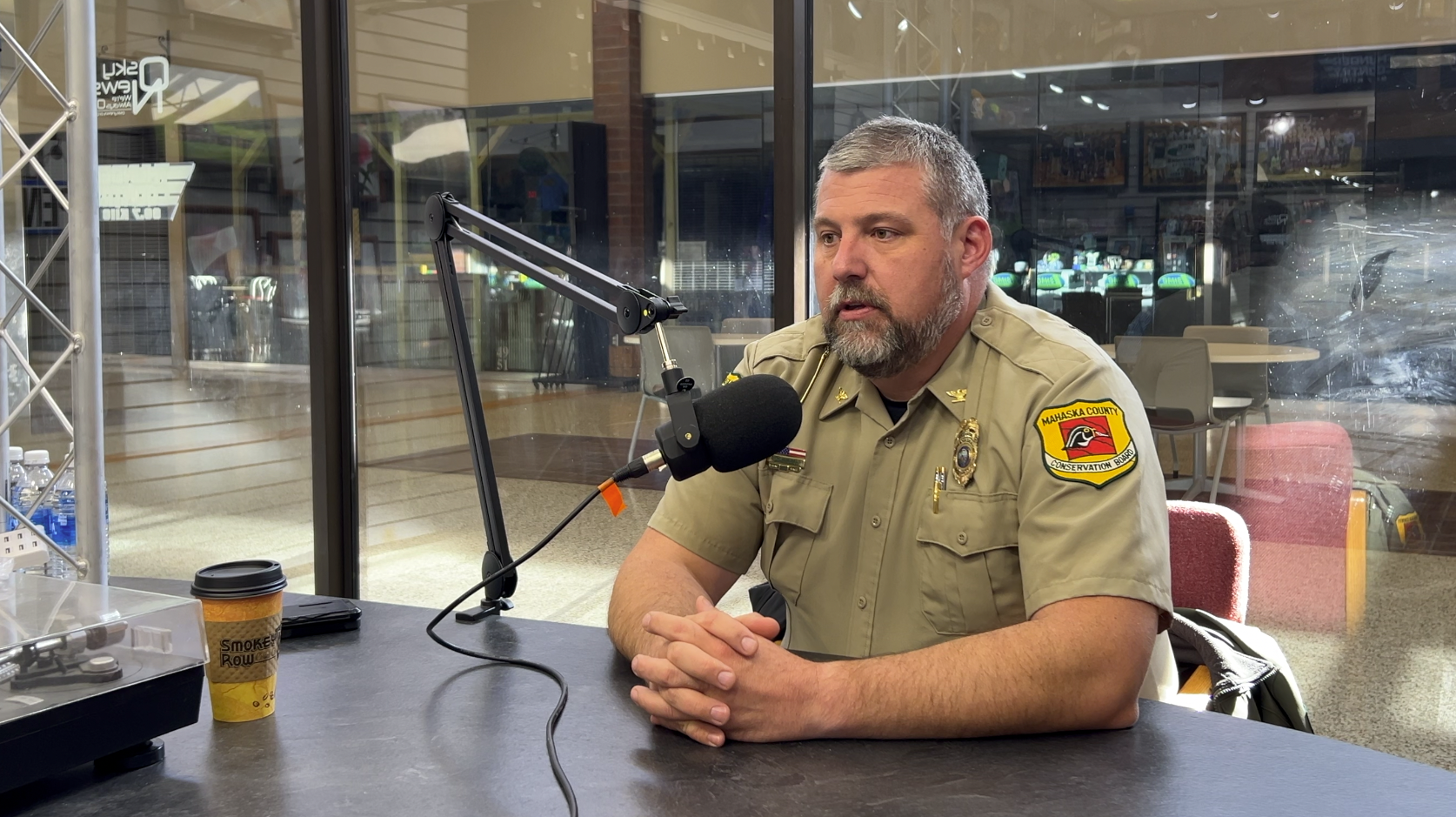
Chris Clingan from Mahaska County Conservation stopped into the studio to talk about an upcoming special speaker they are hosting.
Mahaska County Conservation will host a free public meeting Thursday to explain how the I-WILL program could benefit Iowa communities.
OSKALOOSA, Iowa – In 2010, almost 63% of Iowa voters supported creating a special fund to help protect the state’s water, soil, wildlife, and outdoor recreation areas.
Sixteen years later, the fund still has not received the tax money it needs to be used.
Mahaska County Conservation invites the public to learn more about the I-WILL program at a free presentation on Thursday, November 19th, at 6 p.m. at the Environmental Learning Center in Oskaloosa.
Chris Clingan from Mahaska County Conservation recently visited the Oskaloosa News studio to talk about the program and why it still matters.
What Is I-WILL?
I-WILL stands for Iowa’s Water and Land Legacy. The official name is the Natural Resources and Outdoor Recreation Trust Fund.
Iowa voters approved adding the fund to the state constitution in 2010. The goal was to create a steady source of money to protect natural resources across the state.
The plan would set aside three-eighths of a cent from a future increase in Iowa’s state sales tax.
Clingan said this amount could bring in about $250 million each year for conservation projects.
But approving the fund did not automatically raise the sales tax. That decision was left up to state lawmakers.
Since the needed sales tax increase has not happened, the fund still does not have its intended revenue.
How Could the Money Be Used?
If it gets funding, I-WILL could help pay for projects that improve water quality, protect farmland, and offer more outdoor recreation opportunities.
Farmers could benefit from extra funding for conservation practices that help keep soil and nutrients out of waterways. Projects could include wetlands, buffer strips, and other improvements designed to reduce soil erosion and improve water quality.
Communities could also benefit from better parks, walking and biking trails, wildlife areas, and other public outdoor spaces.
Clingan said these investments could help local economies and make Iowa a better place to live.
Funding would be available for qualifying projects all over Iowa, including Mahaska County.
Why Hasn’t It Been Funded?
Voters approved the trust fund, but state lawmakers have not passed the sales tax increase needed to fund it.
The issue has been discussed for years as Iowa still faces concerns about water quality, soil conservation, and funding for outdoor recreation.
A poll from the Iowa Natural Heritage Foundation in October 2026 found that 69% of Iowa voters support a three-eighths-cent sales tax increase to fund conservation efforts.
Even with that support, the decision to raise the tax is still up to state lawmakers. Public Invited to Learn More
Mahaska County Conservation will have Dan Cohen as the guest speaker for Thursday’s presentation.
Cohen is the retired executive director of the Buchanan County Conservation Board. He also served on a governor-appointed committee that helped develop the plan for Iowa’s conservation trust fund.
He was part of the effort that led to voters approving the constitutional amendment in 2010.
At the presentation, Cohen will explain how I-WILL was created, how the funding would work, and what it could mean for Iowa residents, farmers, and communities.
The discussion will also cover how people can share their views about the program with state lawmakers.
The event is free and open to all. No reservations are needed.
Event Information
What: Securing the Promise: Iowa’s Natural Resources and Outdoor Recreation Trust Fund
When: Thursday, November 19th, 2026, at 6 p.m.
Where: Mahaska County Environmental Learning Center, 2342 Highway 92, Oskaloosa
Guest Speaker: Dan Cohen
Admission: Free and open to the public
Mahaska County Conservation encourages anyone interested in clean water, farming, wildlife, parks, or Iowa’s future to come and learn more about the program.